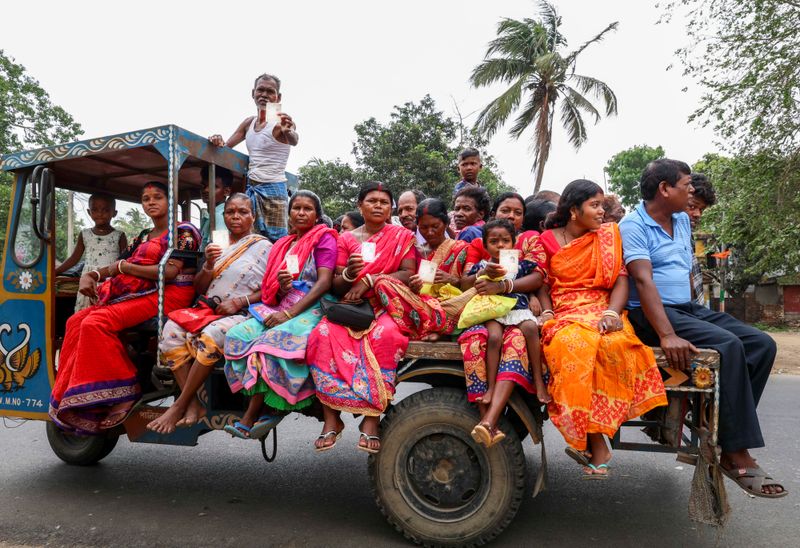
After weeks of intensive campaigning and record voter turnout, West Bengal’s 2026 assembly poll has set the ground for a fiercely contested race, with the counting day on Monday, set to provide a clarity about the winning political party.
West Bengal has been a significant industrial centre due to its strategic location, with Kolkata earlier being the hub for both domestic and international trade for many years, due to its high literacy rate and skilled labour force.
According to the Grip Invest study, the state contributed 10.5 per cent of India’s total GDP in the 1960s. Later, it dropped to 5.6 per cent of the total GDP in 2023-2024, as new trade hubs emerged in the country’s north and south regions.
Over the years, West Bengal’s proportion towards India’s GDP has decreased gradually, from roughly 6.8 per cent in the early 1990s to about 5.8 per cent in the recent times; a change can be seen in its relative economic contribution.
With a GDP of just over Rs 20,000 lakh crore and growth of more than 9.30 per cent in the previous fiscal year, it is the sixth-largest state in the country, the study shows.
Sectors that may be affected
The following key industries will be affected by the West Bengal election outcome, as per the study.
Building and Infrastructure: The infrastructure and construction industries may be directly impacted by any speed, delay, or possibility of change. No matter which political party takes the lead, there will probably be a lot of volatility in this industry.
Steel and manufacturing: West Bengal has a robust industrial foundation, especially in manufacturing and metals. Key inspiring factors will be ease of doing business and policy assistance.
NBFCs and banking: Since the region’s business activity determines credit demand, a boost in investor sentiment might increase lending.
Consumption and FMCG: Particularly in semi-urban and rural economies, welfare programs and rural income assistance can stimulate consumption.
Ports and Logistics: Logistics and trade-related industries may profit from infrastructure development and policy consistency given the state’s strategic position.